Sleep Technology & Mattress Education
How Organic Mattresses Respond to Articulating Foundations
An adjustable foundation can turn a flat bed into a place to read, relax, or find a more comfortable sleeping position. But if your mattress is organic, its materials and construction matter just as much as the buttons on the remote. Here’s how to understand mattress flexibility, check compatibility, and set up a system that supports both comfort and durability.
A mattress and its foundation move as a team
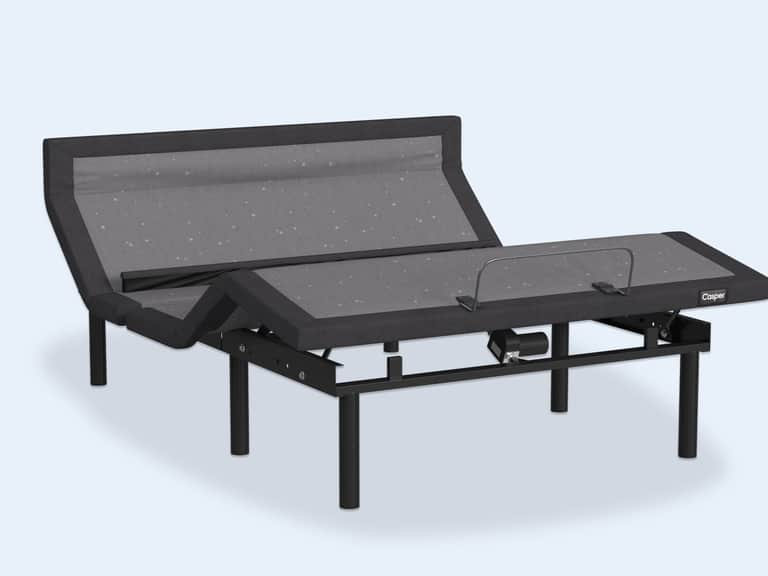
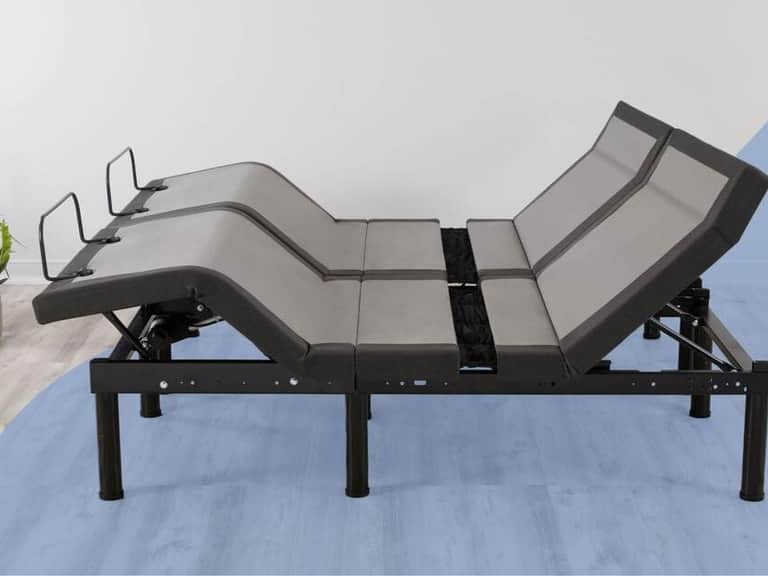
An articulating foundation—often called an adjustable or adjustable bed base—changes the shape of the sleep surface by lifting sections beneath the mattress. Many models raise the head and feet independently; some also offer features such as head tilt or lumbar adjustment. As the base bends, the mattress above it must follow that movement while continuing to provide an even, stable surface.
That seemingly simple motion can involve several layers working together. The cover, comfort materials, support core, seams, and border all respond as the foundation shifts. A mattress that bends easily in one area may still resist movement elsewhere. Likewise, a mattress that feels flexible when handled on its own may not behave as expected when loaded with a sleeper and adjusted repeatedly.
Organic mattresses are not a single type of mattress. The term generally describes materials or production choices, but it does not tell you whether the mattress is designed to articulate. Organic latex, cotton, and wool can appear in very different constructions, from all-latex designs to pocketed-coil hybrids. Each can respond differently to movement. The most reliable starting point is the mattress maker’s specific guidance for the exact model and size.
What “organic” does—and doesn’t—tell you
Material certifications and organic content can help shoppers understand how components were produced or assessed. They do not, by themselves, establish that a mattress is compatible with an articulating foundation. A label describing latex, cotton, wool, or another material cannot reveal the full details of the mattress’s construction, its bend limits, or the support requirements set by its maker.
Two mattresses that use similar natural materials may have different internal layouts. One may use a flexible foam core; another may contain a dense, reinforced perimeter or a coil unit that is not intended to bend. Even mattresses within the same broad category can differ in thickness, layer bonding, quilting, and edge construction. Those details influence how the mattress responds when its head or foot section rises.
Think of “organic” as information about materials and manufacturing—not a universal promise about mechanical behavior. Compatibility is a separate question, and it is best answered with model-specific documentation.
How common mattress constructions respond to movement
Latex designs: responsive, but not automatically adjustable-ready
Latex is often valued for its buoyant feel and ability to compress and rebound. In some mattress designs, that responsiveness can help the surface follow an articulating base. But latex mattresses vary in how their layers are arranged, how thick they are, and how the core is built. A multi-layer mattress may behave differently from a single-core design, and a firm, heavily reinforced construction may not flex as readily as a softer one.
It is also important to distinguish a material’s flexibility from a mattress’s approved use. Latex may bend under pressure, but that alone does not confirm the product is intended to operate on a moving foundation. Check the manufacturer’s instructions, including any stated restrictions on base type, position, or repeated articulation.
Innerspring designs: the coil unit is a key consideration
Innerspring mattresses contain a system of metal coils, but coil construction varies. The arrangement, connecting components, perimeter reinforcement, and other structural details can affect how the mattress responds when bent. Some spring systems are designed to work with adjustable foundations; others may be intended for flat, supportive surfaces only.
A mattress that resists movement may not lie evenly when the base is raised. In the opposite case, repeated bending beyond the design’s limits could place stress on the coil unit or the materials around it. Because a glance at the mattress surface cannot establish the coil system’s capabilities, consult the maker rather than trying to infer compatibility from appearance or feel.
Hybrid mattresses: flexibility depends on the whole build
Hybrids combine different support and comfort materials, commonly foam or latex layers with a coil system. That blend can create a comfortable, responsive sleep surface, but it also means there are more construction details to consider. The mattress must flex as a complete unit: comfort layers, support system, cover, and edges all move together.
Some hybrid designs are approved for adjustable foundations, while others are not. Neither the word “hybrid” nor the presence of flexible foam is enough to decide. Look for explicit compatibility information for the particular model, and confirm that the foundation’s design and movement range are included in the mattress maker’s recommendations.
The construction details worth checking
Before placing an organic mattress on an articulating foundation, gather the details that explain how the mattress is intended to be supported. A product listing may provide a useful overview, but manuals, warranty terms, and direct guidance from the manufacturer are usually more specific.
- Approved foundation types: Check whether the maker names adjustable or articulating bases among the permitted options.
- Movement or bend limits: Look for restrictions on how far sections may elevate or whether particular positions should be avoided.
- Foundation support requirements: Confirm whether the mattress needs a solid platform, slats, a particular spacing, or another specified support surface.
- Mattress dimensions and configuration: Verify that the mattress size matches the foundation. Split configurations may require two separate mattresses rather than one continuous surface.
- Weight and load guidance: Check the base and mattress documentation for applicable load limits, including any instructions about evenly distributing weight.
- Warranty conditions: Review what the mattress warranty says about adjustable foundations, support, and visible or internal damage.
- Care and handling: Look for instructions on rotating, lifting, moving, or cleaning the mattress, especially if the base has to be raised during setup.
If the guidance is unclear, ask the mattress maker about the exact mattress model and the type of foundation you plan to use. It helps to have the model name, size, and foundation specifications at hand. A general answer about “latex mattresses” or “organic mattresses” may not address the construction details that determine compatibility.
Why compatibility matters beyond comfort
When a mattress and base are designed to work together, the mattress can follow the foundation’s movement while remaining supported. If the pairing is unsuitable, the surface may bunch, bow, shift, or feel uneven in certain positions. A sleeper may notice gaps, a change in pressure, or a feeling that the mattress is not sitting securely.
These symptoms do not identify a specific fault on their own. A loose retainer bar, an incorrect setup, an incompatible frame, or a mattress that is not approved for articulation can all affect how the system behaves. Stop adjusting the bed if you notice unusual resistance, loud or changing noises, shifting, or visible strain. Consult the instructions for both products before continuing.
Warranty terms matter, too. A mattress may be covered only when used on a foundation that meets stated support requirements. That does not mean every issue is automatically excluded, but it does mean shoppers should understand the conditions before setup. Keep manuals and purchase information together, and ask the manufacturer to clarify any wording that seems ambiguous.
A careful compatibility check, step by step
- Identify the exact mattress. Note the model, size, and construction if available. “Organic latex” or “natural hybrid” is not enough to identify its approved support requirements.
- Read the mattress documentation. Find the manual, warranty, or product guidance and look specifically for adjustable-foundation compatibility.
- Check the foundation documentation. Confirm the mattress type and size are permitted, and review setup, support, and load instructions.
- Compare the instructions. Make sure the two manufacturers’ requirements do not conflict. Ask both for clarification if something is missing.
- Set up the base as directed. Use the specified frame, legs, retainer components, and electrical connections. Do not improvise structural changes.
- Test movement gradually. With the mattress correctly positioned, use the controls as instructed and watch for shifting, bunching, or unusual resistance. Keep hands clear of moving joints and pinch points.
- Recheck after use. If the mattress moves out of place or begins to sit unevenly, stop and review the setup instead of repeatedly cycling the base.
What to notice during everyday use
Once compatibility is confirmed, ordinary use can provide helpful feedback about how the sleep system is behaving. The mattress should remain properly positioned as the base moves through the positions allowed by its maker. The surface should not visibly fold, slide toward the foot, or pull away from its support in a way the instructions do not describe.
Pay attention to changes that persist rather than judging the system by one moment of movement. A new crease may simply be how a flexible cover settles, while repeated bunching or a pronounced gap may suggest a setup or compatibility concern. If the mattress seems to strain as the base articulates, return it to a flat position if safe to do so, stop using the affected movement, and seek guidance from the manufacturers.
It can also help to test the setup with bedding fitted correctly. Deep-pocket sheets or mattress protectors that are too tight may restrict movement or pull at the corners. Follow the mattress and foundation instructions for bedding, and avoid accessories that interfere with moving sections, hinges, or safety features.
Common assumptions that can lead shoppers astray
- “Natural materials always bend easily.” Material names do not describe the complete construction. A mattress’s layers, core, reinforcement, and cover all matter.
- “If it bends by hand, it will work on a power base.” A brief manual bend is not the same as repeated, controlled articulation under load.
- “Every adjustable foundation uses the same movement.” Bases differ in their design and range of motion. Check the instructions for the specific foundation.
- “A thick mattress can’t be adjustable.” Thickness alone does not determine compatibility; the maker’s design and guidance are more useful indicators.
- “A warranty will cover any foundation.” Warranty conditions can specify support types and use requirements. Read the actual terms instead of relying on assumptions.
- “If the base moves, the mattress must be compatible.” A motor operating successfully does not establish that the mattress is supported appropriately.
A note on split foundations and shared beds
Some adjustable foundations are divided into independently moving sections, a configuration that can let partners choose different positions. The mattress arrangement must match the base design. In many split systems, each side requires its own mattress; using a single mattress across independently moving sections may prevent the system from articulating as intended.
Before buying or setting up a split configuration, confirm the required mattress sizes, whether the foundation includes a linking or synchronization option, and how the manufacturer expects the pieces to be arranged. Also consider how the mattress edges meet in the center and whether each sleeper’s side can move without pulling or lifting the other. The product manuals—not a general assumption about split beds—should guide the setup.
Choosing with both sleep and sustainability in mind
For many shoppers, organic materials are part of a larger effort to make thoughtful decisions about a bedroom. An articulating foundation adds another layer of practical considerations: the bed must fit the room, support the mattress properly, and operate safely. There is no need to treat those goals as competing priorities, but it helps to assess them separately.
First, decide what matters in the mattress itself, such as material preferences, firmness, or pressure relief. Then verify that the particular construction is approved for the foundation you intend to use. If you are still choosing both items, compare their documentation before purchasing. A clearly stated compatibility recommendation is more useful than a broad claim based only on material type or marketing language.
Keep expectations grounded, too. Elevating the head or feet may make certain activities more comfortable, but a foundation is not a substitute for medical advice or treatment. Anyone considering a change in sleep position for a health concern should consult a qualified healthcare professional.
A simple pre-setup checklist
- The exact mattress model is approved for the intended articulating foundation.
- The mattress size and the foundation configuration match.
- Both manufacturers’ support, movement, and weight instructions have been reviewed.
- Warranty conditions are understood and saved for reference.
- The frame is assembled on a stable surface, with required parts in place.
- Cords, bedding, and nearby objects are kept clear of moving sections.
- The base is tested gradually, and use is stopped if there is unusual resistance or visible strain.
The bottom line: verify the pairing, not just the material
Organic mattresses can respond to articulating foundations in different ways because “organic” does not describe one construction. Latex, innerspring, and hybrid designs each have their own considerations, and even mattresses made from similar materials may have different movement limits. The key question is not simply whether a material can bend. It is whether the specific mattress is designed and approved to flex on the specific foundation you plan to use.
Start with the maker’s instructions, check movement and support requirements, and compare them with the base documentation. Set up the system carefully and pay attention to how the mattress sits as the foundation changes position. With that groundwork in place, you can make a more confident choice—and build a sleep setup where comfort, support, and the materials you value all have a chance to work together.