Sleep Technology & Comfort
How Mattress Toppers Adapt to Adjustable Bases
A mattress topper can make a familiar bed feel softer, more cushioned, or a little more temperature-friendly. On an adjustable base, though, comfort is only half the story: the topper also needs to flex as the bed moves. Material, thickness, dimensions, and a secure fit all shape how well the layers work together.
A flexible layer for a moving bed
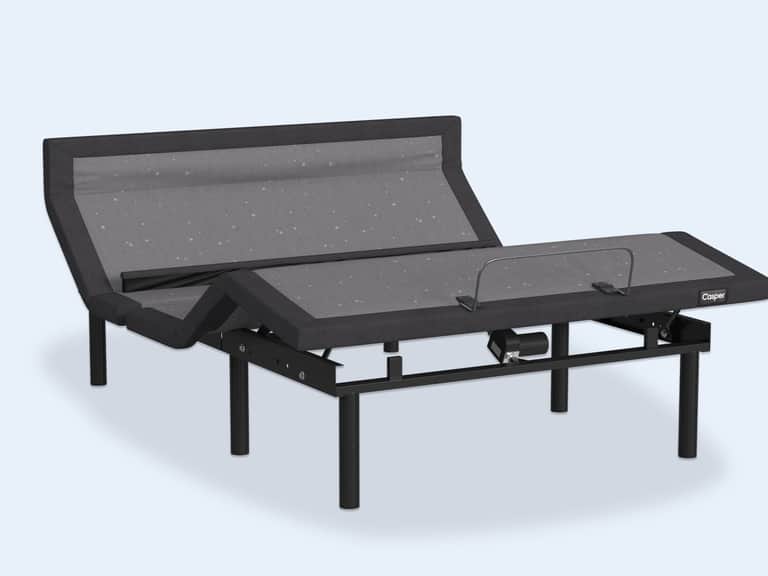
An adjustable base changes the angle of a mattress by lifting the head, the foot, or both. That movement can make it easier to find a comfortable position for reading, lounging, or sleeping. A topper sits between the sleeper and mattress, so it moves along with them. When the base bends, the mattress and topper need to follow without bunching, sliding, or resisting the change.
That sounds simple, but the combination is a little like a small team: the base supplies motion, the mattress provides the main support, and the topper fine-tunes the surface feel. If one layer is too stiff, too bulky, or poorly secured, the whole setup may feel less smooth. A compatible topper should bend with the mattress and remain reasonably even as the bed articulates.
The good news is that many flexible toppers can work well with adjustable bases. The key is not to assume that every topper—or every mattress—will behave the same way. Before changing the bed’s setup, check the guidance for both the mattress and the base. Their manufacturers can specify compatible materials, thickness limits, or other conditions that matter for safe and reliable use.
What happens when the base articulates?
When the head section rises, the mattress curves upward from the bed’s center. When the foot section lifts, the lower part flexes as well. A topper has to follow those contours, while staying aligned with the mattress beneath it. A thin, pliable layer may move with little fuss. A thick or rigid one may feel more resistant, especially if the mattress itself is not designed to flex.
Movement can also reveal fit issues that are easy to miss on a flat bed. A topper that is slightly too long or wide can overhang, shift, or press against the bed frame as sections rise. One that is too small may leave exposed areas or drift out of position. Meanwhile, a slippery cover or loose bedding can make a layer slide during repeated adjustments.
Pay attention to the whole stack, not just the topper. The mattress must be compatible with the base, and the topper should be suitable for that mattress and adjustable setup. A well-matched combination should move together without an obvious tug-of-war. If a topper folds, forms deep ridges, or noticeably creeps out of place, stop using the adjustment that causes the issue and review the setup guidance.
Memory foam: close contouring and a slower response
Memory foam is known for contouring around the body. That quality can change the feel of a mattress by adding cushioning and reducing the sense of contact with the firmer surface below. Many memory foam toppers are flexible enough to move with an adjustable base, but the exact response depends on the foam’s construction, density, and thickness.
As the base changes angle, memory foam generally bends with the mattress, then gradually settles around the sleeper again. Some people enjoy that close, cradling feel; others prefer a surface that feels springier or easier to move across. Foam may also feel firmer in a cool room and more yielding in a warmer one, so the bedroom environment can influence how it feels from night to night.
Thickness matters here. A modest layer can add cushioning while preserving more of the mattress’s original responsiveness. A thicker layer can create a more substantial change in feel, but it may also add bulk and make movement less natural, depending on the materials underneath. Check the base and mattress instructions rather than relying on a general rule: there is no single thickness that suits every adjustable bed.
Memory foam can retain warmth for some sleepers, although designs and covers vary. If temperature is a concern, look into the complete construction and care instructions instead of judging by the material name alone. Ventilation, room conditions, bedding, and the mattress beneath the topper all contribute to the overall sleep climate.
Latex: buoyant feel with flexible support
Latex toppers often feel more buoyant than memory foam. Rather than slowly settling around the body, latex tends to respond more readily when pressure shifts. That springier quality can make it easier to change positions and may suit sleepers who want added cushioning without a deeply enveloping sensation.
Because latex can be flexible, many latex toppers can adapt to an adjustable base. Still, latex is not a single uniform product category. Construction, firmness, thickness, and the way the topper is made can affect how easily it bends. A dense or especially thick layer may behave differently from a thinner, more pliable design. Compatibility guidance for the specific topper and bed remains the best reference.
Some latex designs include perforations or other features intended to encourage airflow, but temperature comfort is personal and depends on the entire bed. A topper’s cover, underlying mattress, sheets, room temperature, and individual preferences can all play a part. Consider the feel you want—more bounce, more contouring, or a different balance—alongside practical details such as weight, handling, and care.
Latex can be relatively heavy compared with some other topper materials. That does not automatically make it unsuitable, but it can make moving or repositioning the topper more of a chore. A snug fit and suitable cover may help keep the layers aligned; follow the manufacturer’s recommendations for placement and maintenance.
Wool: cushioning and temperature moderation
Wool toppers offer a different kind of change. Rather than behaving like a thick foam cushion, a wool layer can add a softer, loftier surface feel. Wool is often valued for its ability to help moderate temperature and manage moisture, though actual performance depends on construction, fill, cover, and the bedding around it.
A wool topper may compress and shift somewhat as the bed moves. Its response is not identical to foam or latex, so check whether the specific design is recommended for use on an adjustable base. A loosely filled or very thick topper could settle unevenly or bunch during articulation, while a well-constructed layer with a suitable cover may stay more orderly. Product guidance matters more than broad assumptions about the fiber.
Wool is not necessarily the right choice when the goal is a dramatic change in support or deep pressure-relieving contour. It may be better suited to someone seeking a gentler surface adjustment or a different feel against the body. Review washing and care instructions, too: some natural-fiber toppers require more careful cleaning than a removable, machine-washable cover.
As with any material, a topper cannot correct every issue with a mattress or bed setup. If the mattress has lost its support, is damaged, or is not compatible with the base, a topper may not solve the underlying problem. Think of it as a surface adjustment, not a replacement for the bed’s core support system.
Thickness: a comfort choice and a fit question
Thickness is one of the most visible differences between toppers, but it is not a simple measure of quality. A thinner layer may preserve more of the mattress’s original feel and can be easier to bend with the base. A thicker layer usually makes a more noticeable change to the surface, but may also add weight, bulk, and resistance to movement.
Consider what you want to change before comparing measurements. If the mattress feels just a little too firm, a relatively modest topper may provide enough cushioning. If you want a substantially plusher surface, a thicker option might be appealing—but it deserves a closer compatibility check. Extra thickness can also affect how sheets fit and how the complete bed sits within a frame.
There is no universal “best” thickness for an adjustable base. Materials behave differently, mattresses have different constructions, and bases vary in how they articulate. Follow the manufacturers’ specifications for the exact combination. If their instructions do not answer your question, contact them before placing a new layer on the bed.
Dimensions and staying in place
A topper should match the mattress dimensions as closely as possible. Measure the mattress itself rather than relying only on the size label, particularly if the mattress is an unusual length, part of a split configuration, or already fitted tightly within a frame. A mismatch can be more noticeable when the base moves, because the surface bends and shifts with each adjustment.
In a split setup, each side may move independently. That can make topper dimensions especially important: a single layer across two independently articulating mattresses may not behave like two separate toppers. Check the mattress, base, and topper instructions to see what arrangement is supported. Do not assume that an ordinary one-piece topper will work equally well in every split configuration.
To reduce unwanted movement, use the topper’s intended cover or attachment method, if provided, and make sure bedding is not pulling the layer out of place. Avoid adding improvised straps, pins, or fasteners unless the manufacturer explicitly allows them; attachments could damage materials or interfere with movement. After setup, raise and lower the bed gradually while watching for bunching, overhang, or slipping.
A practical compatibility check
Before buying or installing a mattress topper for an adjustable bed, walk through a few basics. This small check can prevent an attractive comfort upgrade from becoming an awkward fit.
- Confirm the mattress is approved for the base. A topper cannot make an incompatible mattress suitable for articulation.
- Read both sets of instructions. Look for limits on thickness, materials, dimensions, and use with adjustable frames.
- Match the size precisely. Check length and width, as well as any split-bed or specialty configuration.
- Choose a feel, not just a material name. Compare contouring, bounce, softness, temperature preferences, and care needs.
- Consider the topper’s weight and construction. A heavier or bulkier layer may be harder to reposition and could respond differently as the base moves.
- Test the full range carefully. Watch for shifting, folding, overhang, or unusual resistance as the base moves.
If anything seems unstable, stop and consult the manufacturers’ support teams. Do not force the base to move through resistance, and do not modify the bed or topper to make the combination fit unless the relevant instructions permit it.
Finding the right change for your mattress
The most useful question is not simply, “Which topper is best?” It is, “What do I want to feel differently?” Someone looking for a closer, cushioned sensation might explore memory foam. Someone who prefers a more buoyant surface may consider latex. Someone interested in a softer, fiber-based layer and temperature moderation may look at wool. Each material brings trade-offs, and individual comfort is personal.
Start with the mattress you already have. If it offers the right support but feels too firm on top, a topper may be a reasonable way to adjust the surface. If the mattress is sagging, uneven, or no longer comfortable in a way that affects support, adding a topper may only disguise the issue temporarily. The base’s ability to adjust does not change the condition of the mattress beneath the topper.
It can help to make one change at a time. Keep notes about the topper’s feel when the bed is flat and when the head or foot is raised. Give yourself a little time to assess comfort, but do not ignore clear problems such as persistent bunching or a layer that repeatedly slides. Follow any trial, return, cleaning, and warranty terms before altering the product.
Care and everyday use
Regularly check that the topper remains centered and that its cover is intact. When stripping the bed, take care not to drag a heavy topper across sharp edges or pinch it in moving parts. If the topper has a removable cover, follow the label for washing and drying; different fibers and foams have different care requirements.
When adjusting the base, use its controls as directed and keep bedding, cords, and other items clear of moving sections. If the bed begins making an unfamiliar noise, moves unevenly, or behaves differently after adding a topper, review the base instructions and contact the manufacturer if needed. A topper should not obstruct the base’s operation.
Also consider whether the new layer changes the height of the sleep surface. That can affect fitted-sheet depth, the relationship between mattress and frame, and how easy it is to get in and out of bed. Small practical details are easy to overlook when the focus is on softness, but they influence how satisfying the setup feels day to day.
The takeaway: comfort needs to bend with you
A mattress topper can refresh the feel of a bed, but an adjustable setup asks it to do more than lie flat. It needs to flex with the mattress, fit the surface, and stay in place as the base changes position. Memory foam, latex, and wool each offer distinct experiences in contouring, responsiveness, and temperature feel; none is automatically the right choice for every sleeper or adjustable bed.
Begin with the comfort change you want, then compare material, thickness, size, and care requirements. Most importantly, check the guidance for the mattress, topper, and adjustable base as a combination. A little preparation can help the layers move together smoothly—and keep a personalized bed feeling comfortable whether it is flat for sleep or gently raised for a slower, more relaxed evening.